How to Find Clinical Experience as a Premed Student in Canada
Table of Contents
Gaining clinical experience is a crucial part of preparing for medical school in Canada. In fact, over 90% of successful Canadian med school applicants have some form of clinical exposure on their application. Clinical experience in Canada – whether through volunteering in hospitals, shadowing physicians, or assisting in community clinics – allows students to develop a firsthand understanding of patient care and the realities of the healthcare system.
Admissions committees look for applicants who can demonstrate empathy, professionalism, and a genuine commitment to medicine – qualities often built through early clinical volunteering opportunities. If you’re wondering how to get started with premed shadowing in Canada or find the right clinical role, this guide will walk you through practical, proven strategies to secure meaningful opportunities and strengthen your medical school application!
Why Clinical Experience Matters for Canadian Premed Students
Clinical experience is an essential component of any successful Canadian med school application. Leading institutions such as the University of Toronto, McMaster, and UBC expect applicants to have meaningful exposure to healthcare environments to demonstrate their commitment and understanding of the field.
Clinical experience for medical school in Canada not only shows your dedication but also helps you develop critical skills such as communication, professionalism, and patient-centered care – all of which are key to becoming a successful physician.
It’s important to differentiate between shadowing, volunteering, and hands-on clinical work.
- Shadowing doctors in Canada often provides insight into a physician’s daily routine but typically involves limited patient interaction.
Note: These types of opportunities in Canada are often very limited, and some medical schools such as UBC even discourage direct shadowing experience due to concerns about patient confidentiality. Shadowing physicians directly is more common in the U.S. - Premed volunteering, such as helping in a hospital or clinic, allows you to engage directly with patients, assisting healthcare teams.
- Hands-on clinical work, like gaining certifications in first aid or phlebotomy, adds an extra layer of direct involvement that many medical schools value. Extra points if you have a nursing degree and are a nurse looking to transition to a career in medicine – that’s some great clinical experience!
Different Types of Clinical Opportunities
There are several types of clinical experiences that premed students in Canada can explore. Some are quite common, while others you may not have thought of! When it comes to clinical opportunities, it’s important to stay open-minded. Many activities can count as clinical experience, even if they aren’t the first ones that come to mind. Ultimately, choose something that interests you and aligns with your goals — it’s important to enjoy the experience and gain meaningful insights along the way.
Here are a few common and valuable opportunities:
- Shadowing Physicians: Shadowing doctors is a classic way for premeds to gain exposure to the medical field. Although shadowing is less structured in Canada than in the U.S., it still offers valuable insight into specialties like family medicine, pediatrics, or oncology.
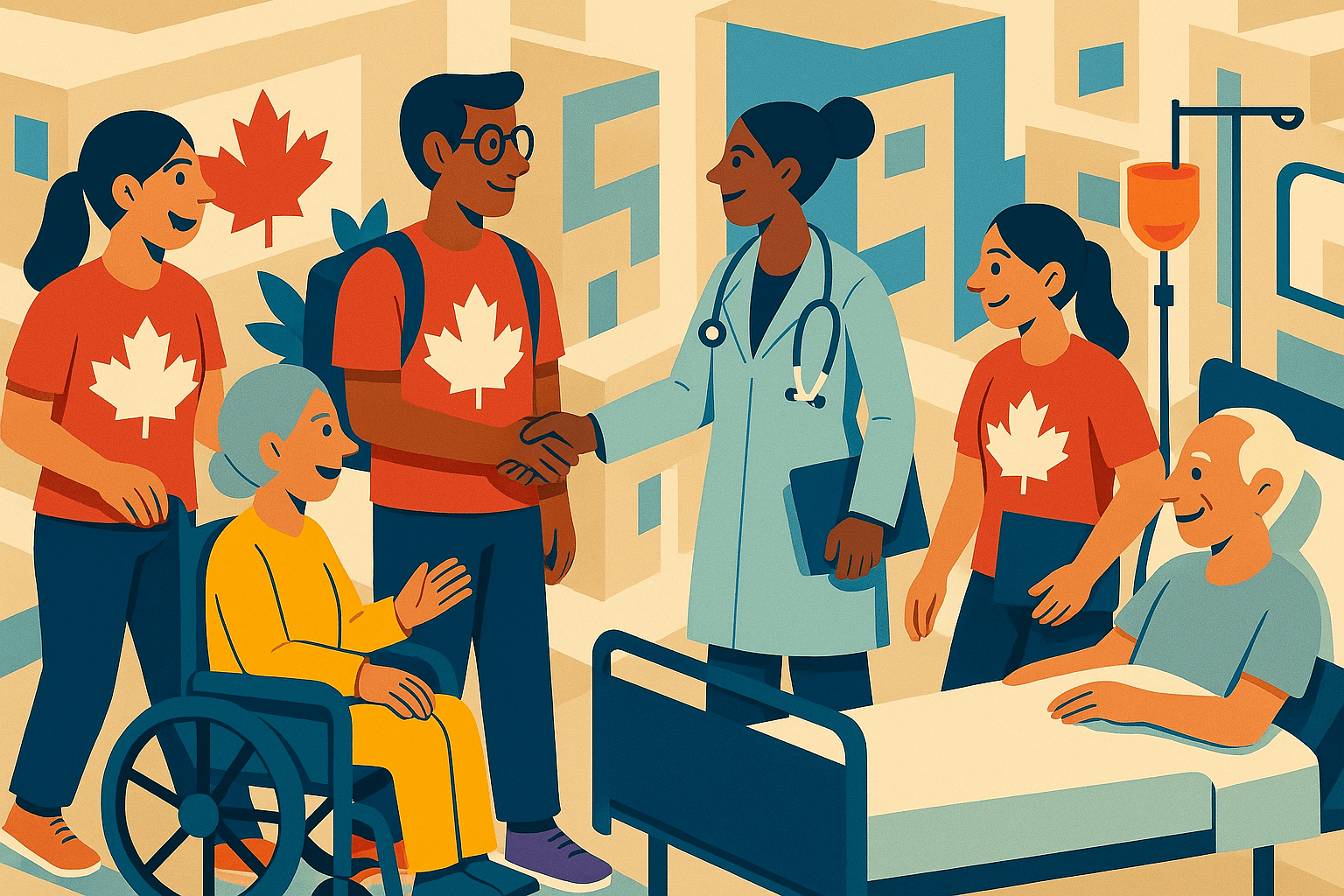
However, keep in mind that some Canadian schools, like UBC, discourage shadowing due to patient confidentiality concerns – be sure to check the schools you want to apply to. - Hospital Volunteering: Many hospitals offer volunteer roles such as patient escort, emergency room volunteer, or oncology support. These positions provide direct patient interaction and a better understanding of hospital workflows.
- Clinical Research with Patient Interaction: Assisting with clinical research — especially studies involving patients — offers exposure to both patient care and research skills, making it a valuable hybrid experience.
- Clinical Work Certifications: Earning certifications like first aid, medical office assistant (MOA), or phlebotomy can lead to hands-on roles involving patient interaction, such as working in clinics or drawing blood.
- Community Clinics and Public Health Initiatives: Volunteering at community health clinics, vaccination sites, or free medical clinics offers another valuable way to gain clinical exposure. These roles often give you experience working with underserved populations and understanding the public health aspect of medicine.
- Hospice or Long-Term Care Homes: Volunteering in settings such as hospices or long-term care homes can provide valuable clinical exposure. These environments offer direct interaction with patients, particularly the elderly, where you can gain experience in palliative care, patient communication, and understanding the emotional and psychological aspects of healthcare.
How to Find Clinical Experience as a Premed in Canada
Finding clinical experience as a premed student in Canada requires a proactive approach. Here are some effective strategies to help you secure these opportunities:
- Hospital Volunteer Programs: Many hospitals in Canada have volunteer departments that provide various roles for premed students. Major hospitals like Toronto General, BC Children’s Hospital, and Montreal General have structured volunteer programs where you can find roles in patient services, administrative work, or research.
- University Clubs and Programs: Many universities have pre-health societies and student-run clinics. These programs often provide clinical exposure and community health experiences. Check with your university’s health-related clubs or initiatives to find these opportunities!
- Leverage Existing Networks: Don’t overlook your personal network. Reach out to family members, professors, or family friends in the healthcare field to see if they can help you secure clinical experience. Doctors or researchers may be willing to take you on as a shadow, lab technician, or volunteer – especially if you’ve established a relationship.
- Use LinkedIn and Networking Events: LinkedIn can be a powerful tool for finding healthcare professionals to connect with. Many physicians and healthcare organizations post opportunities for shadowing, volunteering, or research on the platform. Attend networking events like career fairs and health panels to meet people in the field and learn about potential opportunities.
How to Maximize Your Premed Clinical Experience
Once you’ve secured clinical experience, it’s important to make the most of it. Here are some tips to help you maximize your time:
- Be Proactive: Ask thoughtful questions about the patient care process and seek out opportunities to learn. Clinical experience isn’t just about observing – it’s about engaging and absorbing as much information as possible.
- Keep a Journal: Maintaining a clinical experience journal is an excellent way to track your observations, patient encounters, and reflections. This journal will be invaluable when preparing for medical school applications, such as CASPer, MMI interviews, and personal statements.
- Stay Professional: Whether you’re working on clinical research or volunteering in a hospital, professionalism is key. Always maintain patient confidentiality, be punctual, and dress appropriately for the setting.
- Build Relationships: Take the time to build strong relationships with your mentors, physicians, and fellow volunteers. These connections can provide guidance, mentorship, and even reference letters for your medical school applications.
Frequently Asked Questions (FAQ)
Once you’ve secured clinical experience, it’s important to make the most of it. Here are some tips to help you maximize your time:
What counts as clinical experience for Canadian premed students?
Clinical experience in Canada includes hospital volunteering, community clinics, clinical research with patients, and hands-on certifications like first aid or phlebotomy. These help demonstrate your commitment and understanding of patient care.
Can premed students shadow doctors in Canada?
Shadowing is limited in Canada due to patient confidentiality. Some med schools, like UBC, even discourage it. If available, it may happen through personal networks or private clinics.
Is volunteering in a hospital considered clinical experience?
Yes. Volunteering in hospitals — in roles like patient escort, emergency support, or oncology — provides valuable patient interaction and exposure to hospital workflows.
How can I find clinical experience as a premed student in Canada?
Start by checking hospital volunteer programs, joining university pre-health clubs, and leveraging LinkedIn or personal connections. Community clinics and public health initiatives are also great options.
How should I make the most of my clinical experience?
Stay engaged, ask questions, keep a reflection journal, and build strong relationships with mentors and peers. These habits enrich your learning and help strengthen your med school application.
Final Thoughts
Securing clinical experience as a premed student in Canada is not only possible – it’s one of the most important steps you can take toward building a strong medical school application. It does take persistence, creativity, and a proactive mindset. Start early, cast a wide net, and be open to opportunities you might not have initially considered.
Every experience — whether it’s conducting clinical research, helping in a hospital, volunteering at a hospice, or supporting a community clinic — adds a new layer to your understanding of patient care. More importantly, these experiences aren’t just “checklist items”, they’re opportunities to grow, reflect, and begin shaping the kind of compassionate, thoughtful physician you want to become. Stay curious, stay engaged, and remember: the journey itself is just as important as the destination!
Still have questions about the Canadian medical school admissions process? Check out these articles!
- Is Your MCAT Score Competitive for Canadian Med Schools?
- The CASPer Test in Canada: Everything You Need to Know
- Applying to Canadian Medical Schools: Timelines, Deadlines & How to Get Started
- How to Navigate the Canadian Medical School Application Process
- Canadian Medical School Interviews: Selection Criteria & Tips