What Is a Good MCAT Score in 2026?

Table of Contents

Unfortunately, there’s no simple answer to this simple question. A good MCAT score depends on a multitude of factors that we’ll discuss below.

A Good MCAT Score is Competitive

Recall that the MCAT scores range from 472 to 528, with a mean score of 500. In 2019-20 the average score of applicants to medical school was 506.1 (61st percentile). The average score of applicants accepted by medical schools was 511.5 (83rd percentile) [source]. In terms of test sections, the average scores of accepted applicants in 2019-20 was 127.8 (83rd percentile) for Physical Sciences, 127 (82nd percentile) for CARS, 128.1 (83rd percentile) for Biological Sciences and 128.6 (84th percentile) for Behavioral Sciences.

However, these global numbers obscure a LOT of underlying variability among medical schools. The AAMC helpfully publishes a correlation between scaled scores and percentile ranks that can be used to divide scores into tiers of competitiveness:

Top 10% = Competitive at all medical schools

  • Total Score: 515-528
  • Physical Sciences: 129-132
  • CARS: 128-132
  • Biological Sciences: 129-132
  • Behavioral Sciences: 129-132

Top 25% = Competitive at most medical schools

  • Total Score: 509-514
  • Physical Sciences: 127-128
  • CARS: 127-128
  • Biological Sciences: 127-128
  • Behavioral Sciences: 128

Top 50% = Competitive at some medical schools

  • Total Score: 501-508
  • Physical Sciences: 125-126
  • CARS: 124-126
  • Biological Sciences: 125-126
  • Behavioral Sciences: 126-127

Balanced MCAT Section Scores

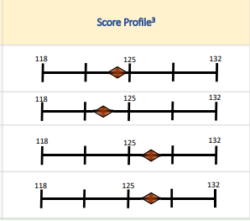
It’s not just about total score. Medical schools look much more favourably on balanced section scores than on lopsided section scores. For example, a 508 comprised of 127/127/127/127 is more competitive than a 508 comprised of 131/123/130/124 – especially if a low section score is on the wrong side of a cut-off and eliminates you from consideration. The Score Report even includes a Score Profile graph that displays the pattern of your section scores in relation to the midpoint of 125. In the example below, the CARS score on the second row is conspicuously low and might be a red flag for some admissions committees.
Know Your Target Schools

Before even beginning to prep for the MCAT, you should thoroughly research medical schools and select your targets for application. The best sources of information are the AAMC’s Medical School Admission Requirements (MSAR) and the section of each medical school’s website that provides information for applicants. For each of your target medical schools, construct a profile of its admission criteria including:

  • What are the average MCAT scores and GPA of accepted students?
  • Are there any GPA adjustments (e.g., worst year dropped)?
  • What is the average MCAT scores of accepted students with your GPA?
  • Are there cut-offs (minimum for consideration) for MCAT scores?
  • Is more weight given to any MCAT section(s) (e.g., CARS)?
  • Are MCAT scores used assess who to consider, who to interview and who to accept?
  • What non-academic credentials are assessed?
  • Are there different admission standards for state/provincial residents than for everyone else?

Do I have to get every question correct get a good MCAT score?

No. Perfection is NOT required to obtain a competitive score in any MCAT section. In fact, striving to get the correct answer for every question is counter-productive. Perfectionists get repeatedly bogged down by difficult questions and run out of time. Top-scoring MCAT test-takers are not perfectionists. They are adroit tacticians who recognize when to make an educated guess and move on to the easier questions.

In the Science sections with 59 questions, you can usually get:

  • 5 wrong answers (92% accuracy) and score 130-131 (top 5%)
  • 10 wrong answers (83% accuracy) and score 129-130 (top 10%)
  • 15 wrong answers (75% accuracy) and score 126-128 (126 = top 50%, 127-128 = top 25%)

In the CARS section with 53 questions, you can usually get:

  • 5 wrong answers (90% accuracy) and score 130 (top 5%)
  • 10 wrong answers (83% accuracy) and score 127-128 (top 25%)
  • 15 wrong answers (72% accuracy) and score 125 (top 50%)

Note the emphasis on “usually”. Variations in difficulty between test versions make it tricky to say anything definitive about raw scores. On the other hand, the AAMC says the variations are slight. And we are using raw scores only to make the general point that you shouldn’t aim for perfection to accomplish competitive scores.

Free MCAT Consultation

Do you have any questions about your MCAT goals? Use our scheduling app to book a free 20-minute consultation with one of our expert MCAT advisors. These MCAT specialists have guided thousands of students from different backgrounds and circumstances to accomplish their MCAT goals — and they can help you too.

About the Author

Isabella R. is the Head MCAT Coach at Prep101, where she leads a team of expert coaches committed to helping students achieve their highest possible scores. With years of experience in MCAT prep and a passion for both medicine and mentorship, Isabella has helped hundreds of students navigate the complexities of the exam. She specializes in customizing MCAT prep to fit each student’s unique needs, and loves sharing the strategies and insights that helped her achieve a 517 on the MCAT. When she’s not coaching, you can find Isabella staying on top of the latest MCAT trends to ensure Prep101’s students always have the most effective tools at their fingertips.
Scroll to Top

Your 515+ Score Guarantee: Let’s Get You There!

We’re in this together. Our 515+ course is designed to be the last MCAT prep you’ll ever need. We’re so confident in our system that we guarantee your results, as long as you put in the work.

Our Promise

Starting at 500 or higher?

We guarantee a score of 515 or better.

Starting below 500?

We guarantee a 15-point increase on your score.

If you follow the plan but don’t hit these numbers, we’ll make it right with a tuition refund or extra support.

Your Success Checklist

To keep your guarantee active, you just need to stay on track with the milestones below. We’ve specifically picked these tasks because they are the proven heavy-hitters that boost scores and get students into med school.

Establish a Baseline

Start strong by submitting an official AAMC score (from the last six months) or taking our diagnostic exam at the beginning of the course.

Complete all weekly readings, classes, workshops, and homework exactly as they appear on your study plan.

Complete and review 8 full-length practice exams (plus your diagnostic) on schedule.

To make it count, just submit a quick post-exam review log to your coach for each one.

Complete 6 Question Packs and 2 Section Banks by the Sunday of your final week of classes.

Flexibility Note: Your coach can actually exempt you from certain tasks based on your unique background or diagnostic results. Just make sure these changes are finalized in writing on your study plan within the first 14 days of the course.

Important Deadlines

The Big Day

You must take your official MCAT within 90 days of finishing your classes.

Sharing Results

Send us your official score report within 14 days of getting it back so we can help out.

The Safety Net

We know this course is intensive. If you realize within the first few weeks that the pace is a bit too much, you can transfer to our Live Online course.

Deadline

Initiate the transfer before the end of Week 4.

Refund

You’ll get a refund for 50% of the price difference, minus the cost of resources already used.

If Things Don’t Go as Planned

If you hit all the milestones above but didn’t reach your goal, you get to choose how we help:

Option A (Refund)

Get your tuition back, minus the cost of third-party resource subscriptions (AAMC, Altius, Hyperbooks), physical materials, and one-on-one services (tutoring and coaching) already provided.

Take the 515+ course again for free.

Get up to 6 weeks of targeted coaching and tutoring to get you over the finish line.

By joining the Prep101 515+ course, you’re agreeing to these terms. Let’s get to work!

Fixed Schedule

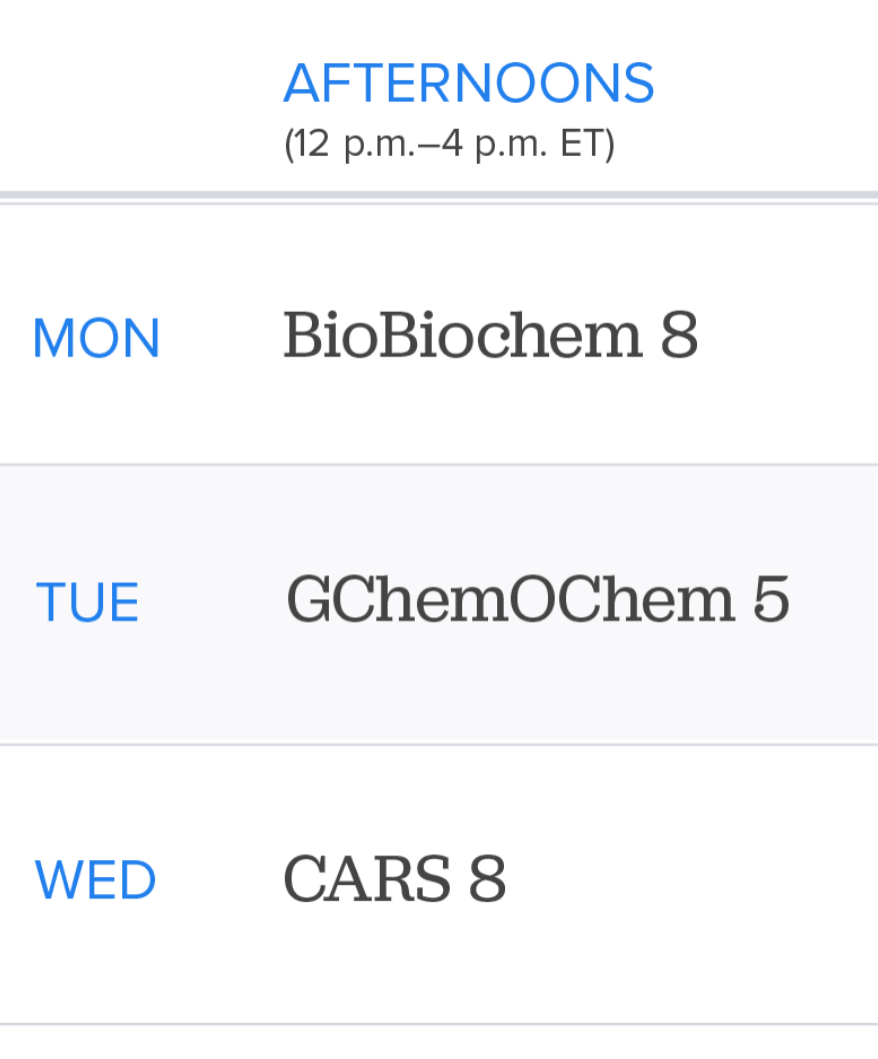
This 12-week course has three classes every week, running Monday through Wednesday from 12 p.m. to  4 p.m.  ET. Miss a class? No sweat! We record everything, and the video drops into your student account within 24 hours, so you’re all good.

3 classes per week

Fixed Schedule

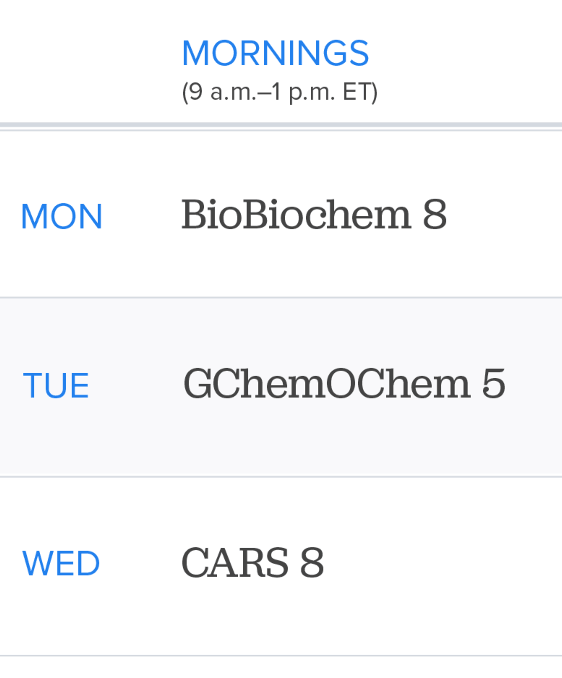
This 12-week course has three classes every week, running Monday through Wednesday from 9 a.m. to 1 p.m. ET. Miss a class? No sweat! We record everything, and the video drops into your student account within 24 hours, so you’re all good.

3 classes per week

Fixed Schedule

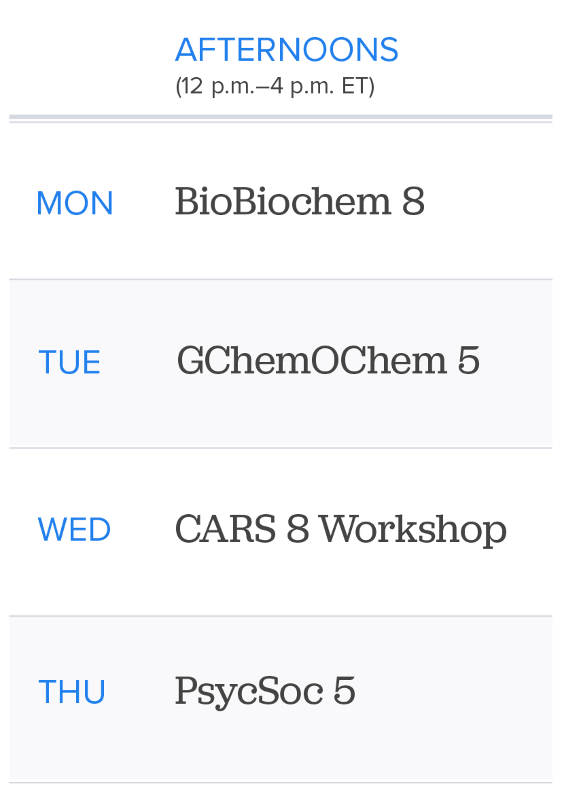
This 10-week course has three or four classes every week from 12 p.m. to 4 p.m. ET. For four weeks there are three classes, running Monday through Wednesday. For six weeks, there are three classes and one workshop, running Monday through Thursday. Miss a class? No sweat! We record everything, and the video drops into your student account within 24 hours, so you’re all good.

3-4 classes per week

Fixed Schedule

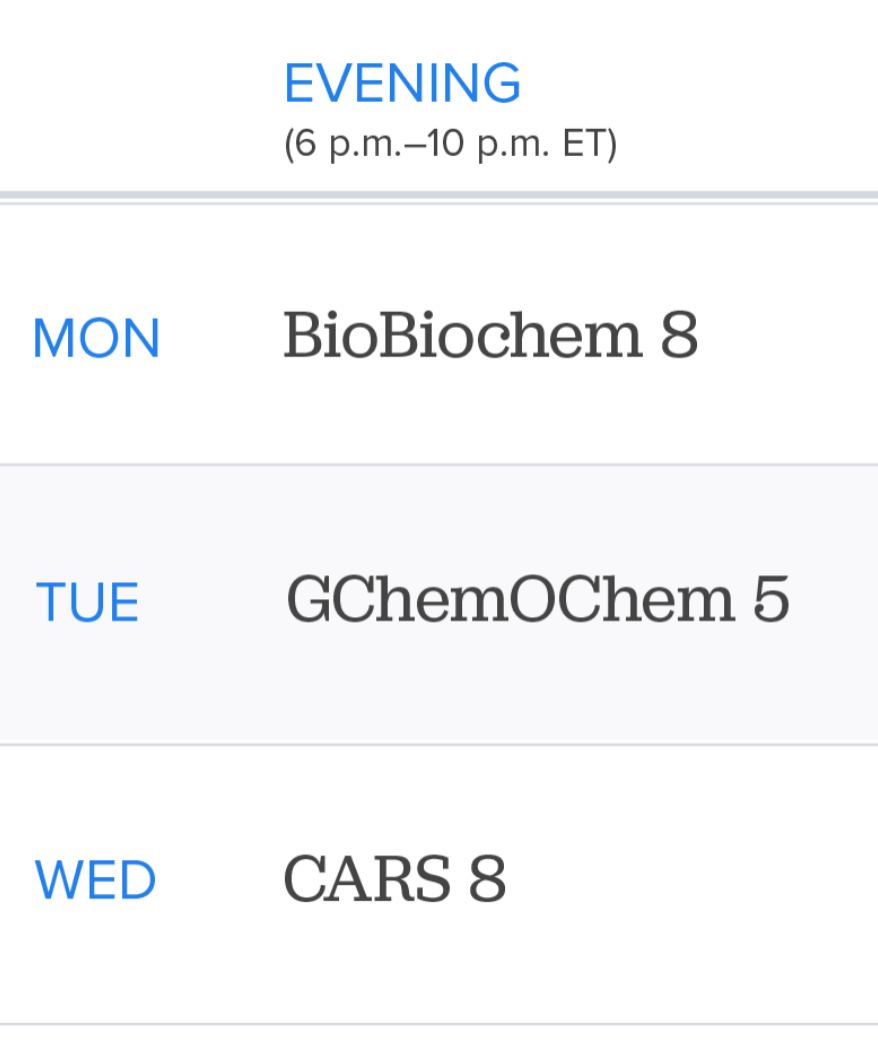
This 12-week course has three classes every week, running Monday through Wednesday from 6 p.m. to 10 p.m. ET. Miss a class? No sweat! We record everything, and the video drops into your student account within 24 hours, so you’re all good.

3 classes per week

Flexible Schedule

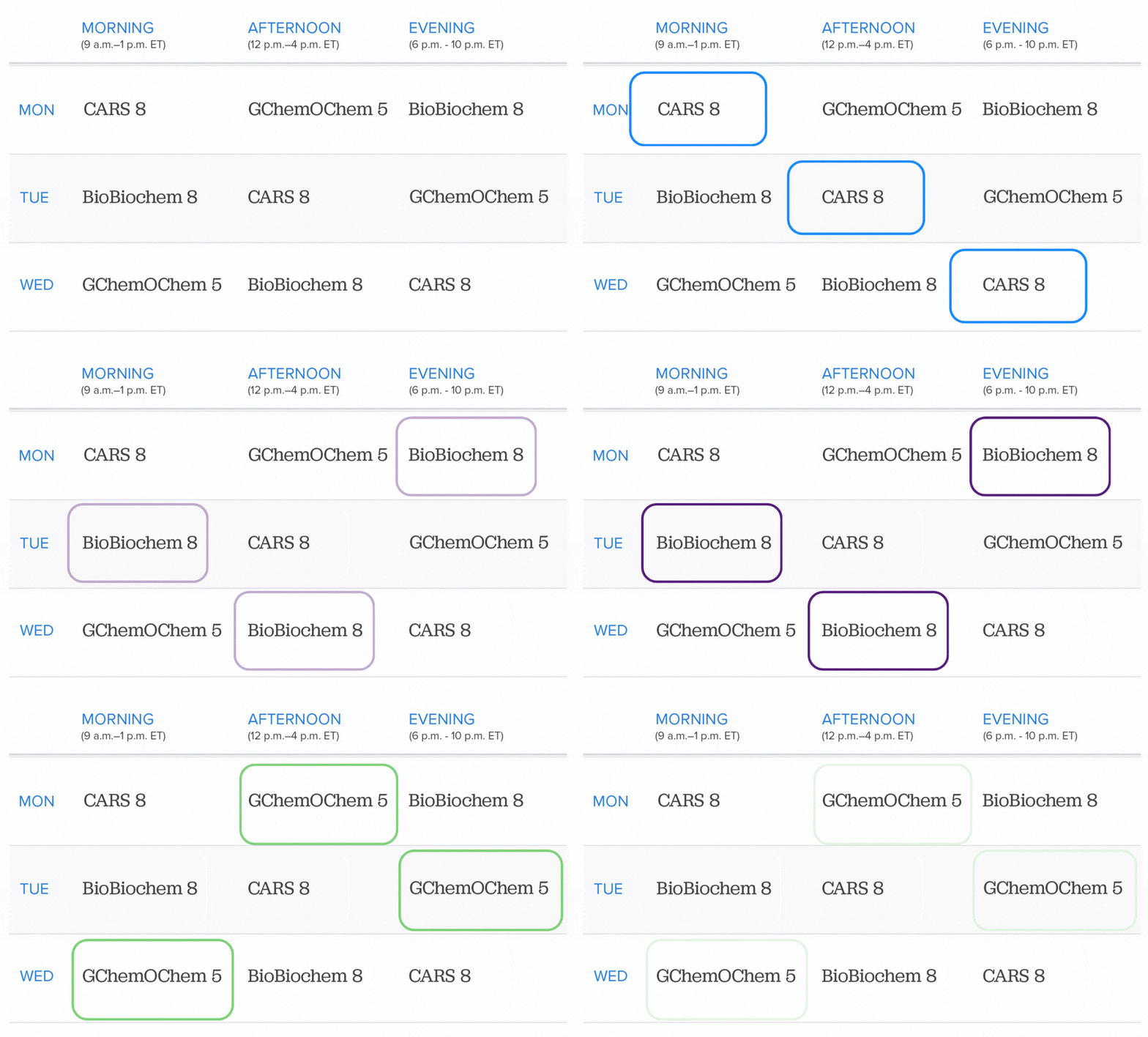
This 12-week course has three classes every week, running Monday through Wednesday. With our Flexible Schedule, you get to choose from three different times—morning, afternoon, or evening—for each class. Just pick the one that works best for you.

3 classes per week + 3 options per class 


Can’t make any of them? No worries! Every class is recorded and drops into your student account within 24 hours, so you won’t miss a thing.